 Indoor Playground, Trendy Sport Gym, Trampoline Park, Adventure Game Park, Climbing Park Manufacturer Supplier

Opening a commercial trampoline park requires more than purchasing jumping equipment. Investors must consider the venue, building renovation, equipment, safety systems, transportation, installation, and operating expenses.
There is no universal startup price because project costs vary by country, venue size, building condition, and attraction selection. A practical budget should separate equipment investment from the additional costs of preparing and operating the business.
For reference, one UK trampoline park supplier estimates that activity-related equipment for a typical 25,000 sq. ft. facility, with approximately 60% allocated to activity space, costs around £350,000–£400,000 plus VAT. This includes trampolines, ninja courses, obstacle courses, airbags, foam pits, and circulation structures. Reception, café facilities, toilets, and building services are additional expenses.
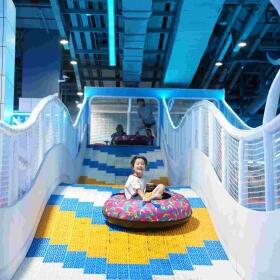
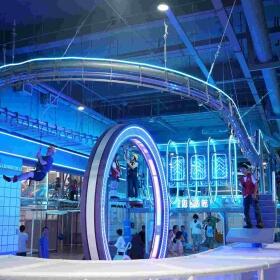
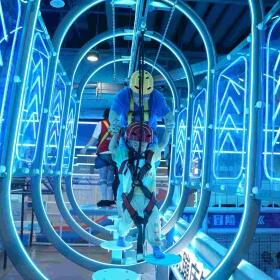
1. What Are the Main Costs of Opening a Trampoline Park?
A complete startup budget should include six major categories:
| Cost Category | Main Expenses |
|---|---|
| Venue and rental | Lease deposit, rent, property preparation |
| Equipment | Trampolines, foam pits, airbags, obstacle courses |
| Construction | Flooring, lighting, HVAC, electrical and fire systems |
| Design and compliance | Layout planning, engineering, permits, inspections |
| Shipping and installation | Freight, customs, unloading, local labor and technical support |
| Pre-opening and operations | Staff, training, marketing, insurance and working capital |
The equipment package is only one part of the investment. Building modifications, local regulations, and operating reserves can significantly increase the total budget.
2. How Much Does Trampoline Park Equipment Cost?
Equipment prices depend on the number of attractions, their specifications, structural requirements, and customization.
A commercial trampoline park may include:
- Main trampoline jumping courts
- Dodgeball and basketball trampoline zones
- Foam pits and airbag landing systems
- Ninja warrior obstacle courses
- Climbing walls and adventure structures
- Interactive jumping attractions
- Safety padding, protective netting and platforms
For a useful comparison, Continental Sports publishes typical element prices of approximately £205–£325 per m², while some digital interactive attractions can reach £800 per m². These are supplier-specific UK reference figures, not universal international prices.
When requesting quotations, compare the actual equipment list, specifications, safety components, and installation scope rather than relying solely on square-meter pricing.
3. What Additional Expenses Should Investors Consider?
Several costs are frequently overlooked during the initial planning stage.
Building Renovation: Check ceiling clearance, structural columns, floor conditions, ventilation, lighting, fire protection, emergency exits, and accessibility. Existing buildings may require substantial modifications.
Transportation and Customs: International projects involve packaging, shipping, import duties, customs clearance, and local delivery. These costs depend on the destination and shipping arrangements.
Installation and Commissioning: Budget for installation labor, technical supervision, equipment assembly, and operational inspections. Confirm whether the manufacturer provides on-site engineers or remote installation guidance.
Insurance and Compliance: Requirements differ between countries. Investors should confirm applicable amusement equipment standards, local permits, liability insurance, and inspection requirements before construction.
Working Capital: Prepare funds for recruitment, staff training, utilities, maintenance, marketing, and daily operations before ticket revenue becomes stable. A reserve covering several months of fixed expenses is a sensible planning measure.
4. What Factors Have the Biggest Impact on Your Budget?
Four decisions have a particularly strong influence on project costs:
- Venue size: Larger facilities generally require more equipment, construction, and operating resources.
- Ceiling height: Higher spaces may accommodate additional vertical attractions but can involve more complex structural planning.
- Attraction combination: A basic trampoline park differs significantly from a multi-activity entertainment center combining climbing, ninja challenges, and interactive attractions.
- Customization level: Special themes, customized structures, and unique equipment designs affect manufacturing and installation costs.
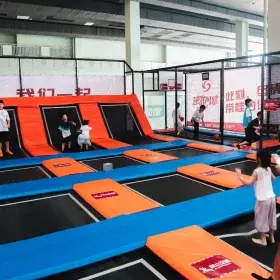
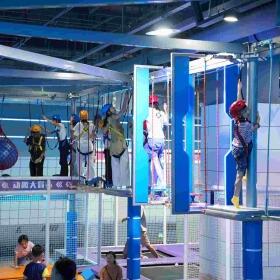
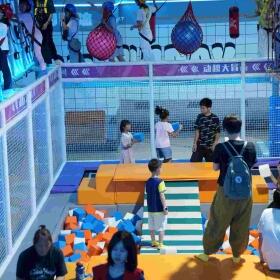
For example, Mizone’s project portfolio includes a 551 m² indoor project in Canada featuring trampolines and an obstacle tower, with a 4.8 m ceiling, and a 350 m² indoor project in Romania combining soft play and trampolines. These examples illustrate how equipment configurations can differ even between relatively similar commercial spaces.
5. How Can You Reduce the Initial Investment?
Controlling costs does not mean compromising essential safety requirements.
Consider these practical approaches:
- Choose equipment according to your target customers and business positioning.
- Prioritize attractions with strong visitor appeal before adding optional features.
- Optimize the floor plan to improve usable activity space and visitor circulation.
- Work directly with manufacturers to discuss customization and production costs.
- Compare complete quotations, including shipping, installation, and after-sales support.
- Keep a contingency budget for unexpected construction and delivery expenses.
A well-designed combination of attractions can create a more engaging venue without filling every available square meter with expensive equipment.
6. How to Prepare an Accurate Trampoline Park Budget
Before requesting a quotation, prepare the following information:
- Total venue area (m² or sq. ft.)
- Building ceiling height
- Floor plan and structural column positions
- Target customer age groups
- Preferred attractions and entertainment concept
- Project country and installation requirements
- Approximate total investment budget
With these details, a manufacturer can evaluate the venue, recommend suitable equipment combinations, and prepare a more realistic project proposal.
7. Why Choose Mizone for Your Trampoline Park Project?
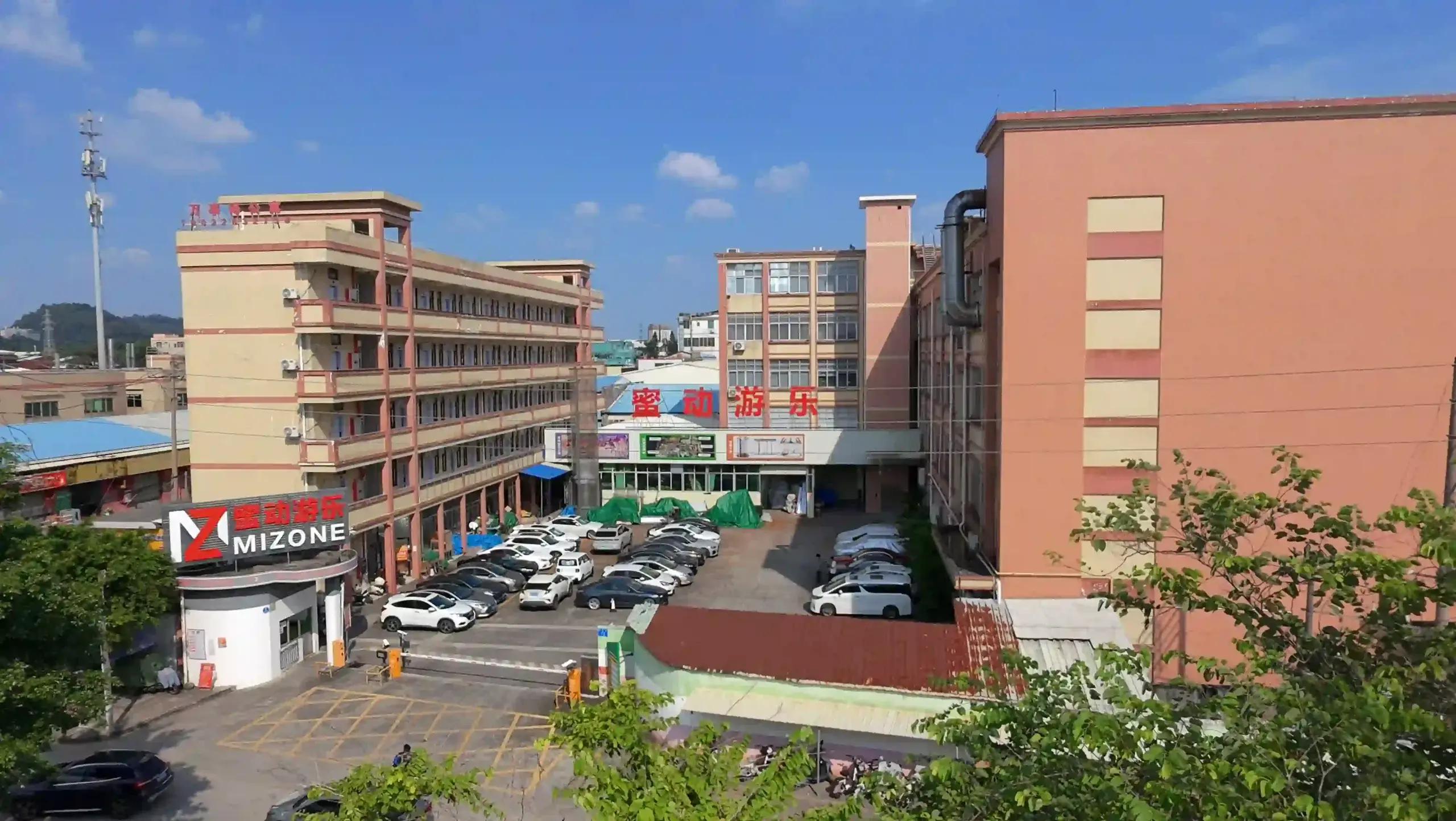
Mizone Playground is a China-based amusement equipment manufacturer established in 2014. Our business covers trampoline parks, indoor playgrounds, adventure attractions, and integrated family entertainment center (FEC) equipment.
We provide customized project services covering concept design, CAD layout planning, equipment development, manufacturing, shipping coordination, installation guidance, and after-sales support.
Rather than offering only standard trampoline packages, we help investors develop attraction combinations based on their actual building conditions, available budget, and commercial objectives.
Final Thoughts
The cost of opening a trampoline park depends on much more than the equipment price. Venue conditions, construction, attraction selection, transportation, safety requirements, and working capital all contribute to the final investment.
The best starting point is to evaluate your venue and define your business concept before committing to equipment purchases. A detailed, itemized quotation will help you understand the real financial requirements and avoid unexpected expenses.
Contact Mizone Playground
Planning to open a trampoline park or develop a family entertainment center?
Send us your floor plan, venue dimensions, ceiling height, and preferred attractions. Our team can help you explore a customized solution for your project.
Company: Guangdong Mizone Industrial Co., Ltd.
WhatsApp: +8618144847485
Contact Mizone today to discuss your trampoline park project!
Frequently Asked Questions About Opening a Trampoline Park
1. How much does it cost to open a trampoline park?
There is no universal startup price because costs depend on venue size, location, building condition, and attraction mix. As one UK reference, a supplier estimates £350,000–£400,000 plus VAT for activity equipment in a 25,000 sq. ft. facility; this excludes reception, café, toilets, and other building costs.
2. How much does trampoline park equipment cost?
Equipment costs vary with the attraction mix, specifications, structural requirements, and customization. This guide cites one UK supplier’s reference prices of about £205–£325 per m² for certain elements and up to £800 per m² for some digital interactive attractions. These are supplier-specific examples, not universal market rates.
3. How much space do I need for an indoor trampoline park?
There is no single minimum area that suits every trampoline park. The required space depends on the business concept, attraction selection, circulation, and supporting facilities. Before choosing equipment, provide the manufacturer with your venue dimensions, floor plan, ceiling height, and structural column positions for a practical layout assessment.
4. What building height is required for a trampoline park?
The required ceiling height depends on the attractions being installed and their technical specifications. Taller spaces may allow more vertical activities, but they can also require more complex structural planning. Have the building assessed before finalizing the design, and confirm the clearance requirements for each selected attraction.
5. What costs are often overlooked when opening a trampoline park?
Investors should budget for more than equipment. Commonly overlooked expenses include lease deposits, renovation, HVAC, lighting, fire protection, permits, inspections, freight, customs duties, unloading, installation labor, insurance, staff training, marketing, and working capital. Request a complete cost breakdown so these items are considered before opening.
6. Do I need a professional design before ordering trampoline park equipment?
Yes, a venue-specific design should be prepared before equipment is ordered. A floor plan helps coordinate attraction placement, visitor circulation, building columns, ceiling clearance, and supporting facilities. Sharing accurate site dimensions and structural information allows the manufacturer to recommend a more suitable equipment combination and reduce costly changes later.