 Indoor Playground, Trendy Sport Gym, Trampoline Park, Adventure Game Park, Climbing Park Manufacturer Supplier

A trampoline park is more than a collection of trampolines.
For a commercial project, the real challenge is turning an empty indoor space into an attraction that works for different age groups, fits the building, supports safe movement, and can operate as part of a larger entertainment business.
This is where the choice of manufacturer becomes important.
Mizone Playground, based in Guangzhou, China, develops and manufactures commercial trampoline parks, indoor playgrounds, trendy sports attractions, and other customized entertainment equipment. The company combines equipment manufacturing with design, engineering, installation, and after-sales services.
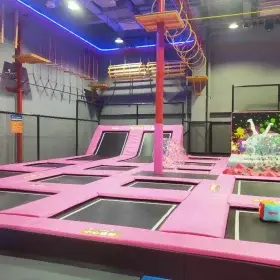
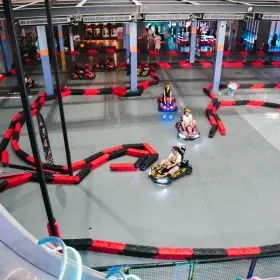
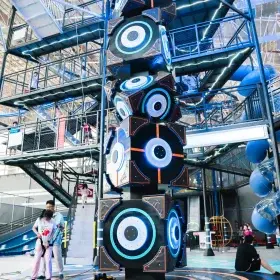
Start With the Venue, Not the Equipment
One of the most common mistakes when planning an indoor trampoline park is choosing attractions before understanding the building.
The available area, ceiling height, structural columns, entrances, emergency routes, circulation, and supporting facilities can all influence the final layout.
Mizone approaches projects from the venue side.
Its design services include concept development, layout planning, equipment selection, and safety considerations. For larger projects, the company can also develop the surrounding entertainment space rather than treating the trampoline equipment as a standalone product.
This approach is particularly useful for shopping malls, FECs, sports entertainment centers, and independent indoor amusement venues.
What Can Be Included in a Mizone Trampoline Park?
A trampoline park does not have to rely on one attraction.
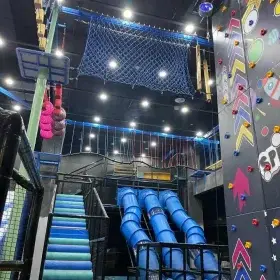
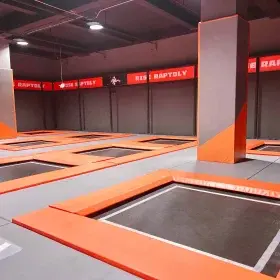
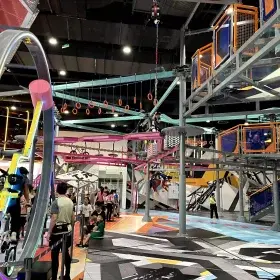
Depending on the venue and business concept, a project can combine trampoline areas with other active entertainment attractions such as:
- Dodgeball and trampoline courts
- Interactive trampoline areas
- Climbing attractions
- Ninja-style challenge courses
- High-rope activities
- Soft-play areas
- Adventure attractions
- Trendy sports equipment
Mizone’s current product range also includes attractions such as 360 Bicycle, Light Wheel Motorcycle, Magic Cube Climbing, Reverse Bungee, HighRope Swing, Diamond Centrifuge, and The Flying Acrobat.
This gives commercial operators the option to create a broader activity mix instead of building a venue around a single attraction category.
Why Custom Design Matters
There is no universal trampoline park layout.
A 500 m² venue with a low ceiling requires a different solution from a 1,500 m² sports hall with substantial vertical space.
Mizone provides customized planning according to the actual project conditions. The company’s services cover concept design, layout, equipment selection, space decoration, production, installation, and after-sales support.
For international buyers, this can also simplify communication because the project can be developed around one coordinated equipment and design team.
From Factory Production to Installation
Choosing a trampoline park manufacturer is not only about comparing product photos or unit prices.
A commercial project normally involves several stages:
Site Information → Concept Design → Layout Development → Equipment Production → Shipping → Installation → Inspection → Operation & Maintenance
Mizone describes its service model as a turnkey process covering these major stages.
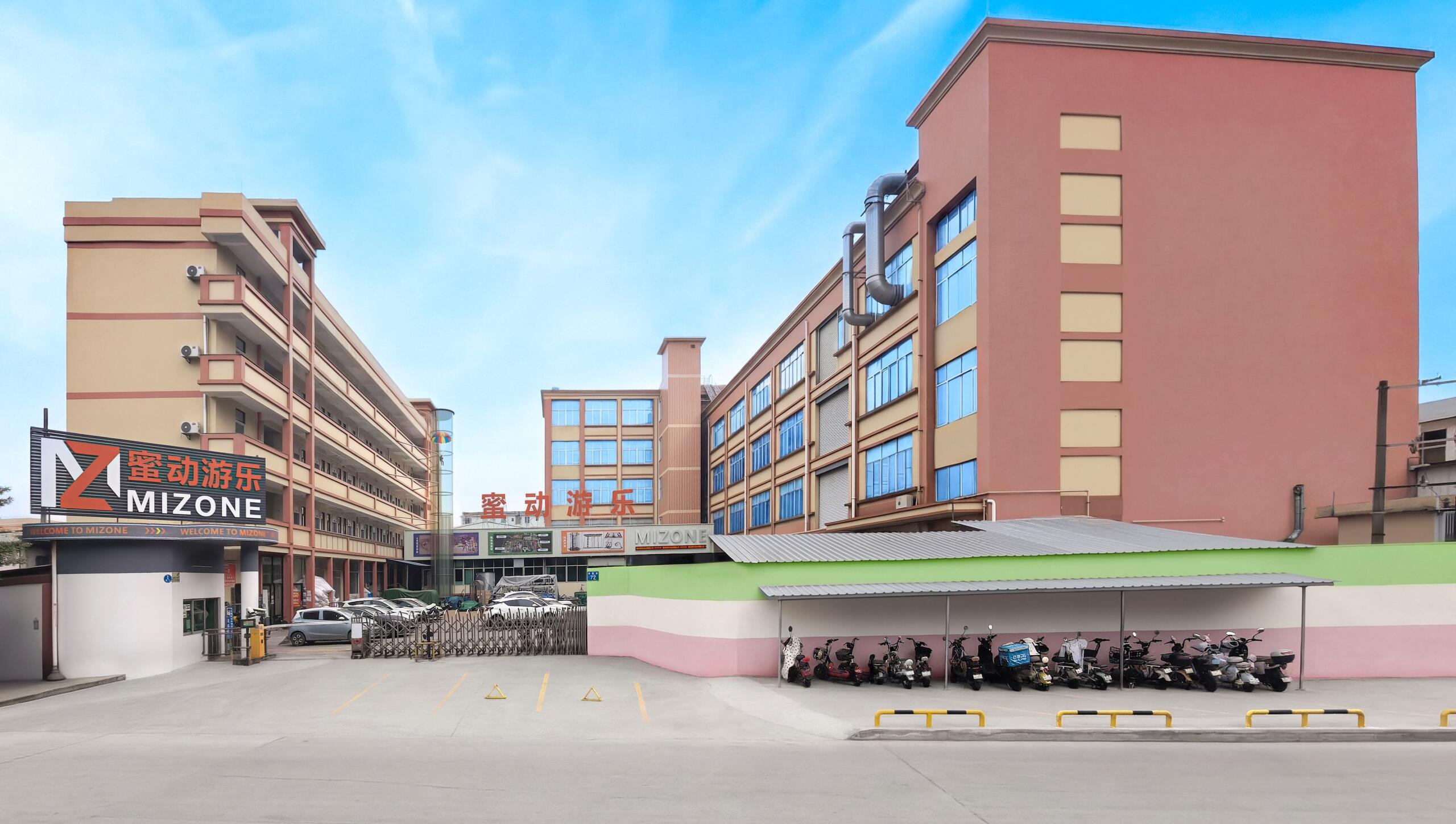
Its website states that the company has more than 10,000 m² of standardized production facilities and more than 100 design, production, engineering, and technical personnel.
The company was established in 2014 and is located in Panyu, Guangzhou, one of China’s major manufacturing areas.
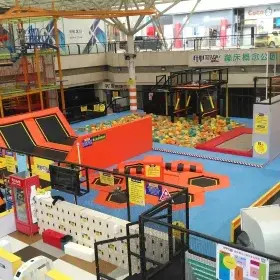
Trampoline Parks Can Become Part of a Larger FEC
For many investors, the objective is not simply to install trampolines.
The larger question is how the attraction fits into the entire customer experience.
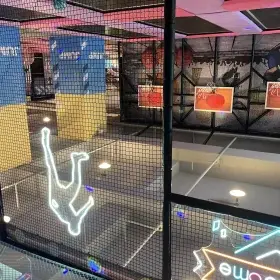
A trampoline area can become one zone within a family entertainment center, alongside soft play, climbing, obstacle challenges, sports attractions, food and beverage areas, or other activities.
Mizone’s project portfolio reflects this broader approach. Its website showcases indoor playground projects in markets including Saudi Arabia, Tajikistan, Qatar, Belgium, South Korea, and other international markets.
Recent project information also includes venues ranging from smaller indoor installations to large spaces exceeding 1,900 m².
What Should You Ask a Trampoline Park Manufacturer?
Before requesting a quotation, an investor should prepare several basic pieces of information:
1. What is the total available area?
Provide the usable floor area rather than only the building’s gross area.
2. How high is the ceiling?
Vertical clearance can directly affect which attractions are practical.
3. Who are the main users?
Children, teenagers, adults, or mixed-age visitors will require different attraction combinations.
4. What type of business are you developing?
A standalone trampoline park may require a different layout from a shopping mall FEC or indoor sports center.
5. Do you need installation support?
Clarify whether the supplier provides installation drawings, on-site installation, commissioning, or remote technical support.
6. Which safety documentation is available?
Ask for the relevant certification and testing documents for the actual equipment included in your project.
These questions can make supplier comparisons much more meaningful than comparing prices alone.
Mizone as a China Trampoline Park Manufacturer
Mizone Playground operates as both a manufacturer and project solution provider.
Its current website positioning covers three major product areas: Indoor Playground, Trampoline Park, and Trendy Sport Gym. The company also provides space decoration, production and R&D, installation and construction, and after-sales services.
The manufacturer’s broader product portfolio makes it possible to develop projects that combine trampoline activities with other indoor entertainment concepts.
For buyers looking for a factory that can work from an actual floor plan rather than simply supply standard equipment, this project-based approach is one of the key characteristics of Mizone.
Safety and Certification
Safety documentation should be evaluated according to the specific equipment and destination market.
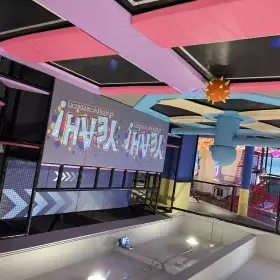
Mizone’s website references international standards including ASTM F1918, ASTM F2970, and EN 1176, while its company materials also reference multiple certification credentials.
For a commercial project, buyers should request the relevant certificates, test reports, technical specifications, and applicable product scope before finalizing an order.
Certification should be treated as part of the technical verification process—not simply as a marketing label.
Who Is a China-Made Trampoline Park Suitable For?
Working with a Chinese manufacturer can be considered by:
- FEC developers
- Indoor amusement operators
- Shopping mall developers
- Sports entertainment businesses
- Commercial property owners
- International playground distributors
- Investors developing customized indoor attractions
The model is particularly relevant when the project requires customized dimensions, multiple attractions, or a combination of trampoline and other indoor entertainment products.
The Next Step: Send Your Floor Plan
For a trampoline park project, the most useful starting point is usually not a product catalogue.
Send the manufacturer:
- Floor plan
- Total usable area
- Ceiling height
- Column positions
- Target age group
- Preferred attractions
- Country or market
- Expected project scale
From this information, the design team can begin evaluating how the available space can be converted into an appropriate trampoline park or wider indoor entertainment concept.
Contact Mizone Playground
Planning a trampoline park or indoor entertainment project? Contact Mizone Playground to discuss your project requirements and explore customized equipment solutions.
Send us your floor plan, venue dimensions, ceiling height, and preferred attractions. Our team can help you evaluate the layout and develop a solution tailored to your project.
WhatsApp: +86 181 4484 7485
Contact us today to start planning your indoor entertainment project!
Frequently Asked Questions
1. How much does a trampoline park cost?
The cost depends on the venue size, equipment, customization, ceiling height, and installation requirements. A manufacturer can provide a more accurate quotation after reviewing your floor plan and project requirements.
2. How much space do I need for a trampoline park?
There is no fixed minimum size. The required area depends on the attraction mix, ceiling height, circulation, and business concept. Smaller venues can use compact layouts, while larger FECs can include multiple attractions.
3. Can a trampoline park be customized?
Yes. A trampoline park can be designed around your floor plan, ceiling height, columns, target users, and preferred attractions. Mizone provides customized CAD layout and equipment solutions for commercial projects.
4. What ceiling height is required?
The required height depends on the attractions selected. Mizone’s project experience includes venues with ceiling heights from approximately 2.3 m to 10 m. The final design should be confirmed according to the actual site.
5. What certifications should I check?
Ask for product-specific certificates and test reports. Depending on the equipment and market, relevant standards may include EN 1176, ASTM F1918, and ASTM F2970.
6. How long does it take to complete a trampoline park?
The timeline depends on design, customization, production, shipping, and installation. Ask the manufacturer to provide separate estimates for design, manufacturing, delivery, and installation.
7. How do I choose a trampoline park manufacturer in China?
Compare manufacturing capability, customization, certifications, overseas projects, installation support, and after-sales service. Real project references and technical documentation are also important when evaluating suppliers.
8. What should I send to get a quotation?
Provide your floor plan, usable area, ceiling height, column positions, target age group, preferred attractions, and project location. These details allow the manufacturer to develop a more accurate layout and quotation.