 Parque infantil interno, Ginásio esportivo moderno, Parque de trampolim, Parque de jogos de aventura, Fornecedor de fabricante de parque de escalada

An indoor playground and a trampoline park can both become successful family entertainment businesses, but they serve different audiences and operate with different cost structures. One focuses on imaginative play and family experiences, while the other emphasizes physical activity, challenges and repeat participation.
Para investidores, the better choice depends on local demand, espaço disponível, equipment investment and the revenue model. Understanding these differences before selecting a concept can help reduce unnecessary costs and create a more sustainable business.
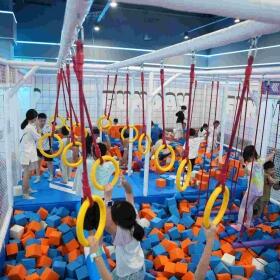
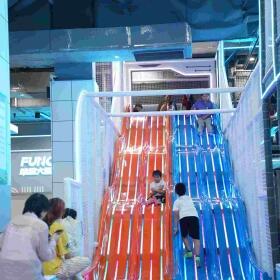
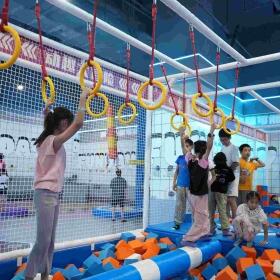
1. Indoor Playground vs Trampoline Park: What’s the Difference?
| Factor | Parque infantil interno | Parque de trampolim |
|---|---|---|
| Target audience | Young children and families | Older children, teenagers and active adults |
| Principais atrações | Jogo suave, diapositivos, ball pits and toddler zones | Trampoline courts, jumping zones and physical challenges |
| Typical activities | Free play, exploration and imaginative play | Timed jumping sessions, obstacle challenges and group activities |
| Revenue opportunities | Admissions, festas de aniversário, memberships and café sales | Session tickets, festas, memberships and group bookings |
| Main design priorities | Separação de idade, visibility and circulation | Suitable clear height, activity zoning and safety supervision |
Neither concept is automatically more profitable. A well-designed venue must match its equipment and pricing to the customers most likely to visit regularly.
2. How Do Their Equipment Costs Compare?
Equipment investment depends on the attractions selected, structural requirements and level of customization.
An indoor playground may include multi-level soft-play structures, diapositivos, elementos de escalada, poços de bolinhas, toddler areas and role-play equipment. A compact concept can focus on essential attractions, while a larger venue may integrate sports and adventure activities.
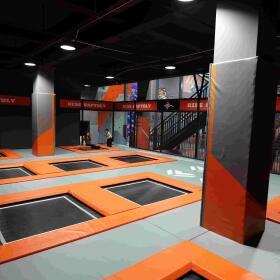
A trampoline park typically requires dedicated trampoline systems, appropriate landing areas and additional attractions such as dodgeball courts, basketball jump zones or ninja challenges. The final configuration must reflect the building’s usable height, layout and applicable safety requirements.
| Cost Factor | Parque infantil interno | Parque de trampolim |
|---|---|---|
| Core equipment | Soft-play structures and slides | Trampoline systems and landing zones |
| Personalização | Themes, cores, layouts and multi-level structures | Court configurations, activity zones and challenge systems |
| Space planning | Play zones, circulation and age separation | Jumping areas, circulation and supervision |
| Manutenção | Componentes de jogo suave, slides and moving attractions where applicable | Jumping surfaces, padding, connections and other activity-specific components |
| Expansion | Additional play zones or attractions | Additional courts or compatible activities, subject to site capacity |
A basic indoor playground may require less equipment investment than a large trampoline park. No entanto, a premium multi-level playground can also be expensive, and a small trampoline facility may cost less than a complex family entertainment center (FEC).
The fairest comparison is between two complete designs for the same site, with equivalent quotation scopes.
3. Which Business Model Has Better Profit Potential?
Profitability depends on customer demand, average spending, operating costs and how efficiently the venue uses its capacity.
An indoor playground can generate revenue through admission tickets, festas de aniversário, memberships, café purchases and selected educational or group activities. Its family-oriented positioning may encourage repeat visits when the venue offers a comfortable environment and activities suited to different ages.
A trampoline park can earn revenue from timed sessions, party packages, memberships, school visits and group events. Its activity-based format may appeal to customers seeking energetic entertainment, particularly when the attraction mix supports repeat challenges.
Both models face similar financial pressures, including rent, payroll, utilitários, seguro, cleaning, maintenance and marketing. Trampoline operations may require particular attention to activity supervision and equipment inspections, while indoor playground operators must manage cleanliness, age-appropriate use and the condition of soft-play structures.
Calculate Your Break-Even Point
Before estimating profit, calculate the number of paid visits needed to cover monthly operating costs.
Monthly break-even visits = Monthly fixed costs ÷ Contribution per visit
Contribution per visit equals average revenue per paid visit minus variable cost per visit.
Por exemplo, assume a venue has $25,000 in monthly fixed costs, generates $24 in average revenue per paid visit and incurs $6 in variable costs per visit.
The calculation is:
$25,000 ÷ ($24 − $6) = approximately 1,389 visits per month.
That is about 46 paid visits per day over 30 operating days.
This is an illustrative scenario, not an industry average or a profit forecast. Actual results depend on local pricing, attendance patterns, additional purchases and the complete cost structure. The calculation also excludes initial investment recovery unless it is included in the modeled costs.
4. How Should You Choose the Right Equipment?
For an indoor playground, prioritize equipment that suits the main age group and encourages varied play. Estruturas de jogo suave, diapositivos, toddler zones and imaginative-play areas can form the core, with selected trampolines or climbing attractions added when the site allows.
For a trampoline park, begin with the required jumping areas and supporting safety systems. Additional attractions should be selected according to available space, target customers and the operational capacity of the venue.
A mixed FEC can combine soft play, trampolins, climbing and adventure attractions. This creates more varied activities, but it also increases design complexity and may require additional staffing, maintenance and investment.
Before finalizing the equipment list, assess the floor plan, altura do teto, colunas, rotas de circulação, target age groups and applicable local requirements.
5. Real Projects Show Why Site-Specific Design Matters
Mizone’s documented project portfolio illustrates the range of commercial entertainment spaces that require different equipment solutions.
- Bélgica: UM 490 m² indoor soft-play project with a 5.8 m teto, a dry-ski slide and a dedicated toddler area.
- Arábia Saudita: UM 1,600 local de m² com 10 m teto, combining a flying trapeze, Ferris wheel and parachute drop for children and adults.
These examples demonstrate how building conditions and the intended visitor experience influence equipment selection. They do not, sozinhos, establish the profitability of either business model.

6. Which Concept Should You Invest In?
Choose an indoor playground if your target market is primarily young children and families, and your concept emphasizes accessible play, birthday parties and family visits.
Consider a trampoline park if your market has demand for active entertainment, group activities and timed participation, and your building can accommodate the required equipment.
If you want to serve multiple age groups, a customized FEC combining soft play, sports and adventure attractions may be worth evaluating. The final decision should follow local demand research and a realistic financial model rather than equipment preferences alone.
Mizone is a China-based amusement equipment manufacturer established in 2014, providing customized equipment and design coordination for commercial indoor playgrounds and FEC projects.
Planning your next project?
Share your venue area, altura do teto, país, target age group and approximate equipment budget. Mizone can help you explore suitable equipment configurations and develop a project-specific proposal.
WhatsApp: +8618144847485
Frequently Asked Questions About Indoor Playgrounds and Trampoline Parks
1. Which Is Cheaper to Build: An Indoor Playground or a Trampoline Park?
An indoor playground is not always cheaper to build; the total depends on size, complexidade do equipamento, altura do teto, customization and installation scope. A basic soft-play venue may cost less than a large trampoline park, while a premium multi-level playground can require substantial investment. Compare like-for-like quotations before deciding.
2. How Much Does Indoor Playground or Trampoline Park Equipment Cost?
Equipment costs vary with the venue area, mix de equipamentos, requisitos estruturais, materiais, shipping and installation. Ask suppliers to separate equipment, freight, instalação, taxes and optional services in their quotations. This makes it easier to compare total project costs and identify exclusions before committing to a design.
3. What Ceiling Height Is Needed for an Indoor Playground or Trampoline Park?
The required ceiling height depends on the selected attractions, layout and building conditions; there is no single height suitable for every project. Trampoline courts and high-level adventure equipment may need more clear height than compact soft play. Share accurate building measurements with the designer before choosing equipment.
4. Is an Indoor Playground More Profitable Than a Trampoline Park?
Neither model is inherently more profitable; results depend on local demand, ticket pricing, attendance, pessoal, rent, maintenance and additional spending. Indoor playgrounds may earn from parties and family visits, while trampoline parks can sell timed sessions and group activities. Build a break-even forecast using your own costs and realistic visitor assumptions.
5. Can Indoor Playground Equipment Be Customized to My Floor Plan?
Sim, a site-specific design can adapt equipment to the floor plan, colunas, altura do teto, target age groups and desired attractions. Ask the manufacturer to review a measured layout before finalizing the equipment list. This can help avoid circulation conflicts, unsuitable equipment choices and costly changes during installation.