 Parque infantil interno, Ginásio esportivo moderno, Parque de trampolim, Parque de jogos de aventura, Fornecedor de fabricante de parque de escalada

Um centro de entretenimento familiar de sucesso (FEC) precisa de mais do que atrações atraentes. Precisa de um conceito de negócio bem planejado, um layout que se adapta ao local, e uma experiência que dá às famílias motivos para visitar novamente. O design FEC personalizado reúne esses elementos antes do início da produção do equipamento.
Para investidores, desenvolvedores de shopping centers, e operadores de entretenimento, o objetivo não é simplesmente encher um prédio com equipamentos lúdicos. É criar um destino comercialmente prático que equilibre o apelo do visitante, necessidades operacionais, e potencial de negócios a longo prazo.
1. Comece com seu modelo de negócios, Not the Equipment List
Antes de selecionar atrações, defina quem você deseja servir. Um local destinado a famílias com crianças pequenas exigirá uma experiência diferente de um centro de entretenimento esportivo projetado para crianças mais velhas, adolescentes, e adultos.
Considere seu público principal, competição local, investimento disponível, padrões de visita esperados, e potenciais fontes de receita. Dependendo do conceito, these may include general admission, festas de aniversário, group bookings, memberships, and food or beverage services.
A clear business model helps determine which attractions deserve the most space and which supporting facilities are necessary. It also reduces the risk of investing in equipment that looks impressive but does not match local demand.
2. Turn Available Space into a Functional Layout
Every venue has its own design constraints. Floor area matters, but ceiling height, colunas estruturais, entradas, saídas de emergência, and access for maintenance can be equally important.
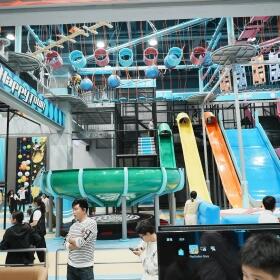
A customized layout should organize attractions and supporting areas as one coordinated environment. Por exemplo, a multi-level play structure may serve as the main visual feature, while climbing activities, trampolins, or interactive games provide different experiences around it.
Family seating, reception, party rooms, storage, and staff circulation should be considered early rather than added as afterthoughts. Clear sightlines can help parents supervise children, while well-planned circulation can reduce congestion during busy periods.
The final layout should also account for applicable building regulations, equipment safety requirements, acessibilidade, and emergency evacuation routes.
3. Build an Attraction Mix That Encourages Repeat Visits
A balanced FEC offers different reasons to explore, move, play, and return. Depending on the target market and venue conditions, a custom project may combine:
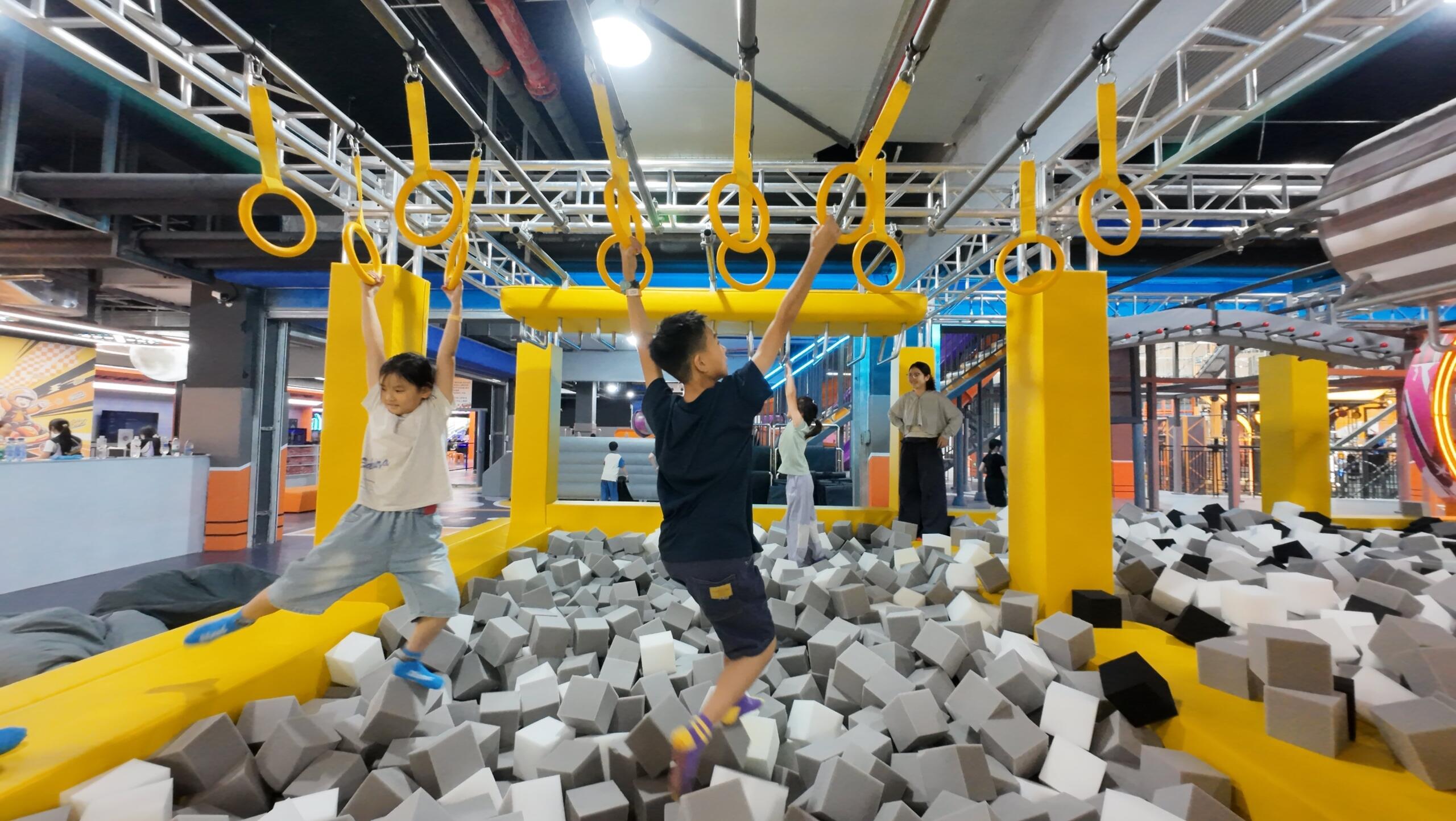
- Estruturas de jogo suave: escalando, rastejando, deslizando, and imaginative activities for younger visitors.
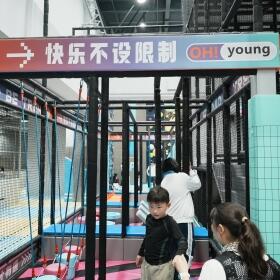
- Trampoline and obstacle areas: active challenges for visitors seeking more physical play.
- Climbing and adventure attractions: additional challenges for older children, adolescentes, or mixed-age groups.
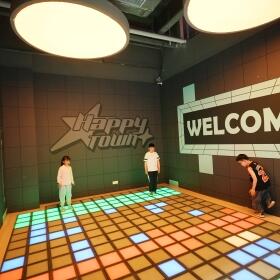
- Interactive play elements: activities that encourage participation and give visitors more variety.
The best combination depends on the project, not on the number of equipment types included. Attractions should complement one another, fit the available space, and be selected according to age suitability, requisitos operacionais, and the intended customer experience.
4. Design for Revenue Opportunities and Operating Costs
Profitability cannot be guaranteed by a design alone, but design decisions can influence the factors behind financial performance.
A dedicated party room, por exemplo, may support birthday packages and private bookings. A well-defined entrance and reception area can make check-in easier. Thoughtful placement of attractions and waiting areas may improve visitor flow and help staff supervise the venue.
At the planning stage, estimate the full project cost—not only the equipment price. Include interior work, envio, instalação, staffing, utilitários, cleaning, manutenção, seguro, marketing, and other locally applicable expenses.
Then build a financial model using realistic assumptions for ticket prices, visitor numbers, occupancy, repeat visits, and additional purchases. Test different scenarios before committing to a final design. This approach provides a more useful basis for investment decisions than relying on a generic promise of high returns.
5. Work with a Manufacturer That Can Customize the Project
A custom FEC often requires coordination between space planning, seleção de atração, design temático, fabricação de equipamentos, logistics, e instalação. Working with a manufacturer that supports multiple project stages can help align these decisions.
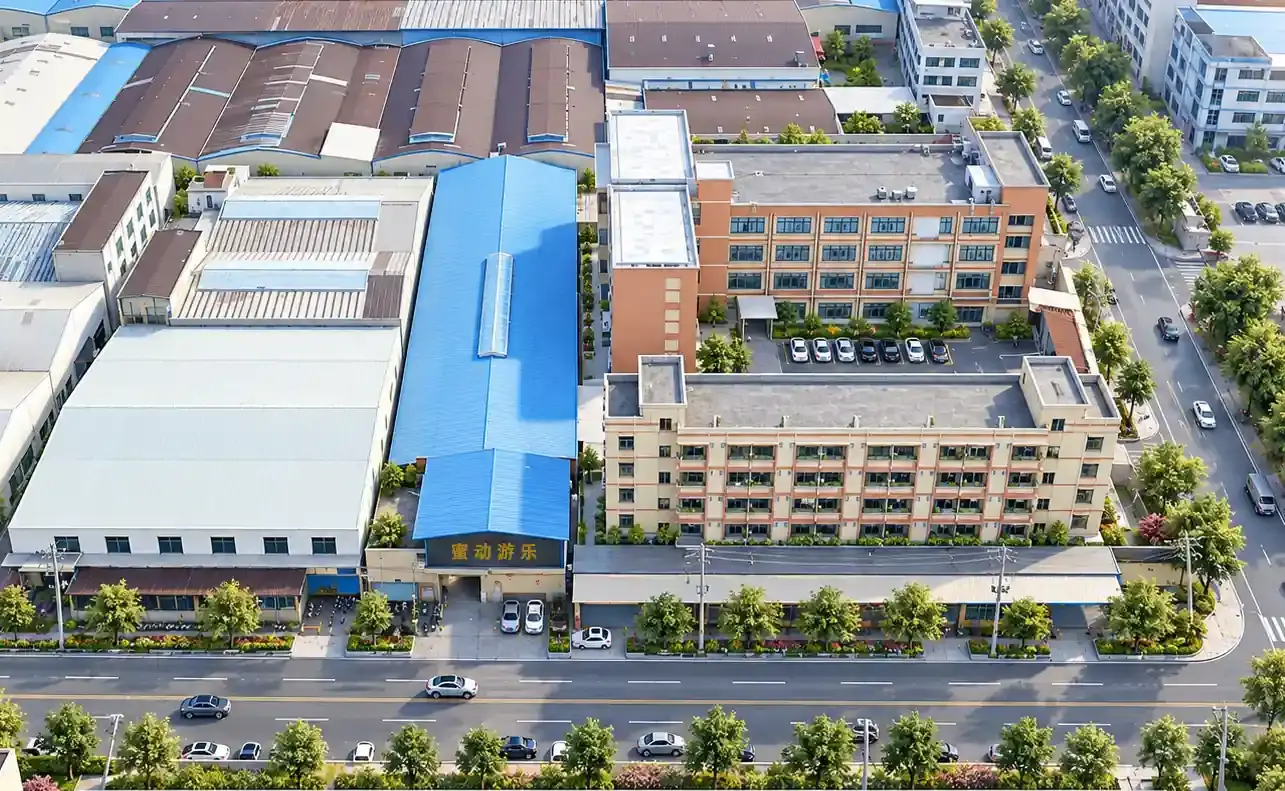
Mizona, operado pela Guangdong Mizone Industrial Co., Ltd., provides customized indoor playground and entertainment space solutions, including design planning, produção de equipamentos, e apoio ao projeto. Its project portfolio includes a 788 m² de playground coberto na Turquia, illustrating how multiple play elements can be integrated into a single venue.
When evaluating a supplier, ask for relevant project references, layout drawings, equipment specifications, applicable certification documents, arranjos de instalação, and after-sales support details. Confirm that the proposed solution matches your site conditions and local requirements.
6. Plan for the Next Stage of Your Business
A well-considered FEC design should address both opening day and future operation. Allow practical access for inspection and maintenance, consider how staff will manage different activity zones, and evaluate whether the concept can accommodate future changes in customer preferences.
Before final approval, review the layout, configuração do equipamento, budget assumptions, requisitos de segurança, and operational plan together. A coordinated decision at the design stage can help reduce avoidable changes later.
Plan Your Custom FEC Project with Mizone
Every entertainment venue has different commercial goals, space limitations, and customer expectations. A customized design can help turn these requirements into a coherent family entertainment concept.
Share your venue dimensions, localização, público-alvo, atrações preferidas, and estimated budget with Mizone to begin discussing a project-specific solution.
WhatsApp: +86 181 4484 7485
Frequently Asked Questions About Custom Family Entertainment Center Design
1. How much does it cost to build a custom family entertainment center?
The cost of a custom family entertainment center depends on the venue size, mistura de atração, complexidade do projeto, equipment specifications, e requisitos de instalação. Investors should also budget for shipping, interior construction, staffing, utilitários, manutenção, seguro, and marketing. A detailed project quotation is more reliable than a generic price estimate.
2. How much space do I need for a family entertainment center?
The required space depends on your business model, faixas etárias alvo, seleção de atração, and supporting facilities. In addition to play areas, the layout may need reception, assentos, party rooms, storage, acesso da equipe, and circulation routes. Altura do teto, colunas estruturais, entradas, and emergency exits also affect how efficiently the venue can be designed.
3. How do I design a profitable family entertainment center?
A commercially viable FEC starts with a clear target audience, a suitable attraction mix, and a realistic operating budget. Consider admission fees, festas de aniversário, group bookings, memberships, and additional purchases when relevant. Model different visitor-volume and pricing scenarios before finalizing the layout, because design alone cannot guarantee profitability.
4. What equipment should I include in a family entertainment center?
The right equipment depends on your customers, espaço disponível, e conceito operacional. As opções comuns incluem estruturas de jogo suave, trampolins, atrações de escalada, pistas de obstáculos, e jogos interativos. Rather than including every available attraction, choose complementary activities that suit the intended age groups, support visitor flow, and fit your operational budget.
5. Can a family entertainment center be designed for a small or irregular space?
Sim, a custom layout can be developed around many space constraints, although the available area and building conditions determine what is practical. Designers should assess dimensions, altura do teto, colunas estruturais, rotas de acesso, and safety requirements before selecting equipment. The final attraction mix may need to be adjusted to maintain usable circulation and operational access.
6. Quais padrões de segurança os equipamentos de playground interno devem atender?
Indoor playground equipment should comply with the safety standards and regulations applicable to the destination market, tipo de equipamento, and intended users. Before purchasing, ask the manufacturer which standards apply and request relevant certificates or test reports. Verify their validity, scope, issuing body, and coverage of the specific equipment being supplied.