 실내 놀이터, 트렌디 한 스포츠 체육관, 트램폴린 공원, 모험 게임 파크, 공원 제조업체 공급 업체 등반

Creating a commercial indoor play area is not simply about fitting as many slides and play structures as possible into a venue. A successful design needs to balance children’s safety, 사용 가능한 공간, construction costs and long-term operating needs.
For investors and operators, the challenge is to create an attractive play environment without unnecessary spending or compromising essential safety requirements.
Whether you are developing a small soft play centre or adding a children’s play zone to a shopping mall, these five practical tips can help you make better design decisions.
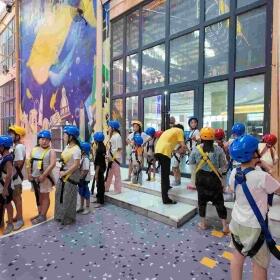
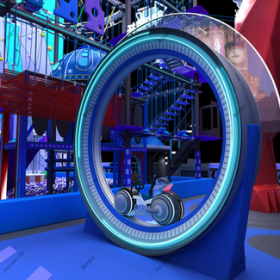
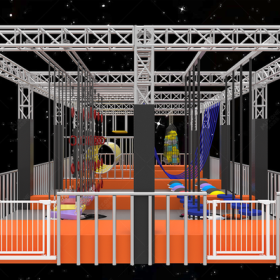
1. Design Around Your Target Age Groups
Different age groups have different physical abilities and play preferences. A layout designed for toddlers may not provide enough challenges for older children, while equipment designed for older users may not be appropriate for younger visitors.
A practical approach is to divide the play area into dedicated zones:
- Toddler Zone: Low-height structures, soft blocks, small slides and sensory play elements.
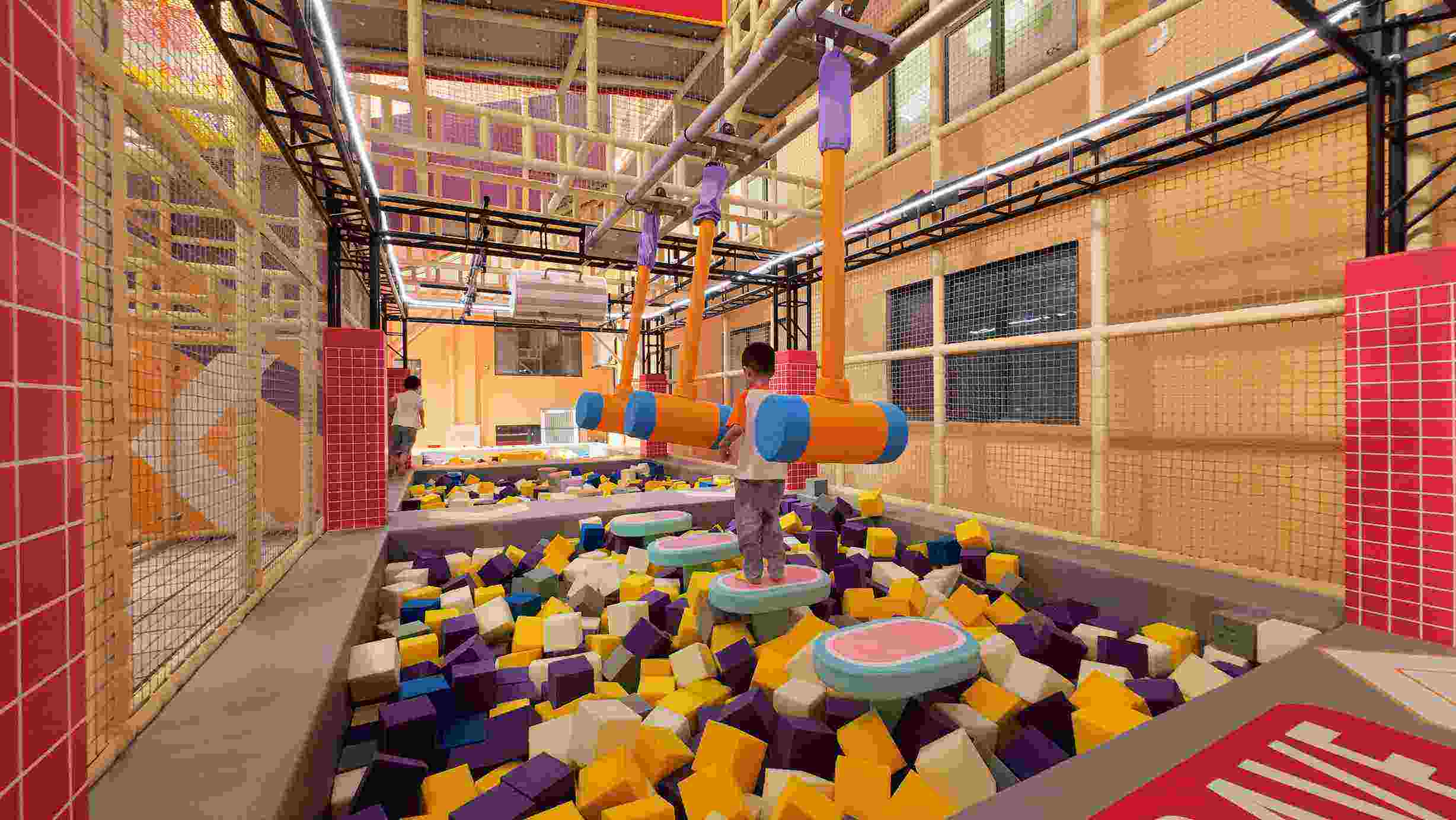
- Children’s Zone: 다단계 소프트 플레이, 터널, climbing activities and ball pits.
- Active Play Zone: 장애물 코스, interactive challenges and more demanding physical activities, where suitable.
Separating activities helps reduce conflicts between children of different ages and makes supervision easier.
It also allows operators to prioritize essential equipment instead of purchasing attractions that may not match their actual customer base.
2. Make Better Use of Every Square Meter
An affordable playground does not necessarily need a large floor area. What matters is how effectively the available space is designed.
Before selecting equipment, evaluate the building’s floor dimensions, 천장 높이, 구조 기둥, entrances and emergency exits.
Consider these design strategies:
- Use vertical space to create multi-level play structures where building conditions permit.
- Combine climbing elements, tunnels and slides into integrated play systems.
- Position ball pits and interactive activities within the main play structure.
- Keep circulation routes and access points clear.
- Provide sufficient space for parents and staff to observe children’s activities.
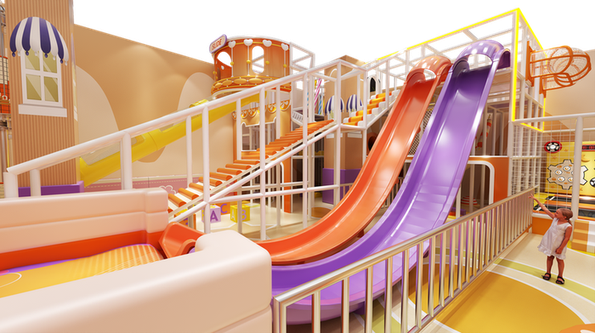
예를 들어, 에이 250 m² indoor soft play project in Bangladesh incorporated a rainbow net and ball pit, 동안 490 벨기에의 m² 프로젝트에는 드라이 스키 슬라이드와 유아 전용 구역이 포함되었습니다..
These examples demonstrate how different layouts can respond to different site conditions without requiring the same equipment package.
3. Prioritize Safety When Selecting Materials and Equipment
Safety should be considered from the beginning of the design process, not added as an afterthought.
When evaluating soft play equipment, pay attention to the following:
Material quality: Check the durability, surface finish, cushioning and suitability of materials for commercial use.
Structural stability: Supporting frames, connections and fixing systems should be designed for the intended loads and usage conditions.
Protective padding: Exposed hard components and potential impact areas should receive appropriate protection.
Access and exits: Children should be able to enter and leave play structures safely, while staff should have practical access for supervision and emergency response.
유지: Materials and construction should allow routine cleaning, inspection and replacement of worn components.
Buyers should also check the safety standards applicable to their destination market. 예를 들어, ASTM F1918 specifically addresses soft contained play equipment, including materials, 구조적 완전성, 접근과 출구, 유지, fire safety and evacuation. European projects should also evaluate the relevant EN 1176 requirements where applicable.
Importantly, request documentation that covers the actual equipment being purchased rather than relying on general certification claims.
4. Control Your Budget Through Smarter Equipment Selection
One of the most effective ways to reduce project costs is to select equipment according to its actual purpose.
Instead of filling the venue with expensive attractions, identify a few core activities that work well together.
For a typical commercial soft play area, a practical starting combination might include:
- One main multi-level soft play structure
- One slide or climbing feature
- One ball pit
- One toddler activity section
- Several interactive play elements
You can introduce additional attractions later as the business develops.
Other ways to manage investment include:
- Choose standard structural configurations where customization is unnecessary.
- Use a consistent color scheme instead of excessive decorative elements.
- Prioritize durable materials to reduce replacement frequency.
- Request an itemized quotation to understand exactly what you are paying for.
- Confirm shipping, 설치, flooring and other additional costs before production.
Remember that a low initial quotation does not always mean a lower overall investment. 장비 품질, installation requirements and maintenance expenses should all be considered.
5. Plan for Daily Operations and Long-Term Maintenance
A commercial play area needs to remain safe and functional after opening. Its design should therefore support the people responsible for operating it.
Consider incorporating:
- Clear sightlines for staff supervision.
- Accessible inspection points around equipment.
- Easily cleaned surfaces and removable components where appropriate.
- Practical storage for cleaning supplies and replacement parts.
- Clear rules and age recommendations for different play zones.
Operators should establish daily visual checks, regular equipment inspections, cleaning schedules and maintenance records.
구매하기 전에, ask the manufacturer about warranty coverage, 예비 부품 가용성, maintenance instructions and technical support.
A well-designed playground should not only look attractive on opening day but also remain manageable throughout years of commercial operation.
How Can Mizone Help with Your Soft Play Project?
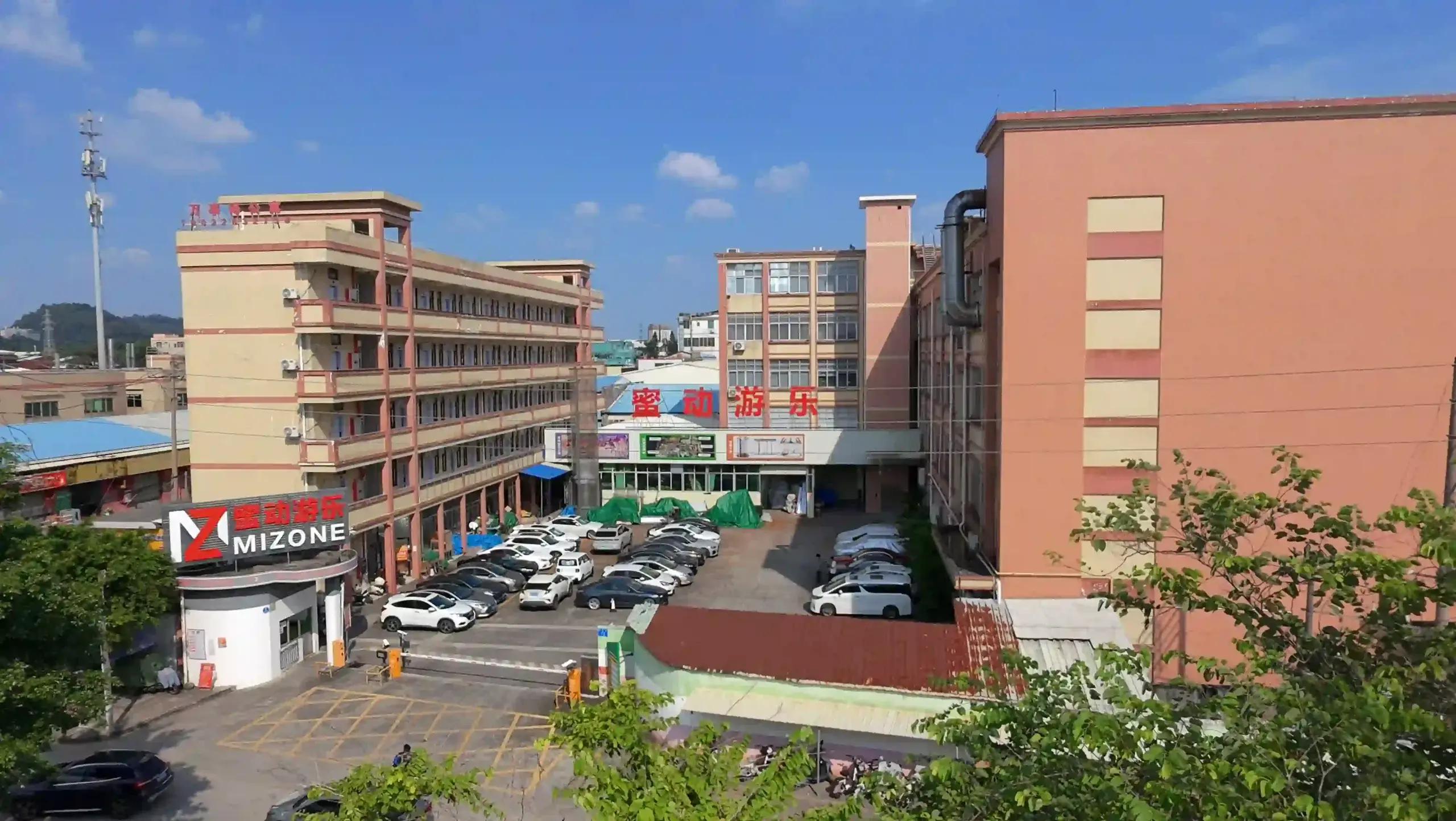
미진 (광동 미존 산업 주식 회사, 주식회사) is a China-based amusement equipment manufacturer established in 2014, specializing in commercial indoor playgrounds, soft play systems and family entertainment centre solutions.
With a production facility exceeding 12,000 m² and a team of more than 100 설계, engineering and technical professionals, Mizone provides customized solutions for different commercial spaces and investment requirements.
Our services include:
- Site planning and CAD layout design
- Customized soft play equipment and themed structures
- 제품 연구, development and manufacturing
- 배송 조정
- Installation guidance and technical support
- After-sales service and maintenance assistance
From compact children’s play areas to larger commercial entertainment venues, our team can help develop equipment configurations based on your available space, target age group and project budget.
최종 생각
Designing an affordable and safe commercial indoor play area requires more than choosing inexpensive equipment. The key is to make informed decisions about space planning, age-appropriate activities, material quality, investment allocation and ongoing maintenance.
A carefully planned soft play environment can deliver an engaging experience for children while helping operators manage their investment more effectively.
Planning a new indoor playground?
Contact Mizone to discuss your project and receive a customized equipment proposal.
whatsapp: +86 181 4484 7485
자주 묻는 질문
1. How much does it cost to build a commercial indoor soft play area?
비용은 장소 규모에 따라 다릅니다., 장비 선택, 사용자 정의 수준, materials and installation requirements. A basic soft play area with standard structures generally requires a different investment from a multi-level customized playground. Buyers should request an itemized quotation covering equipment, 해운, installation and additional project expenses.
2. What is the minimum space required for an indoor soft play area?
There is no fixed minimum size for every indoor soft play project. The required space depends on the target age group, 장비 구성, circulation routes and safety requirements. Even compact venues can accommodate slides, ball pits and interactive activities when the layout is carefully planned.
3. How do I design a safe indoor playground for different age groups?
The best approach is to create separate play zones based on children’s ages and physical abilities. Toddler areas should feature low-height structures and simple activities, while older children can enjoy climbing equipment, tunnels and obstacle courses. Clear separation also makes supervision easier and helps reduce activity conflicts.
4. What safety standards apply to commercial soft play equipment?
Safety requirements depend on the destination market and equipment type. ASTM F1918 addresses soft contained play equipment, while EN 1176 is relevant to many playground projects in Europe. Buyers should check the applicable requirements and request product-specific documentation covering materials, structural stability, access, maintenance and other relevant safety aspects.
5. How can I reduce indoor playground construction costs without compromising safety?
Start by prioritizing essential attractions instead of purchasing too many expensive features. Use standard configurations where customization is unnecessary, select durable materials and make efficient use of vertical space. 하지만, structural stability, protective padding, safe access and emergency exits should never be sacrificed to reduce the initial investment.