 Indoor Playground, Trendy Sport Gym, Trampoline Park, Adventure Game Park, Climbing Park Manufacturer Supplier

Planning an indoor trampoline park requires more than selecting jumping surfaces. Equipment configuration, building conditions, safety measures, installation, and operating expenses all influence the total investment.
For commercial investors, mall developers, and family entertainment center (FEC) operators, the best starting point is to match the equipment plan with the available space, target customers, and business model.
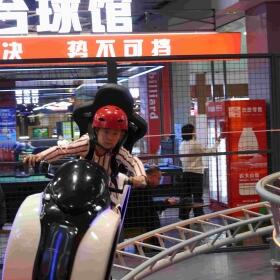
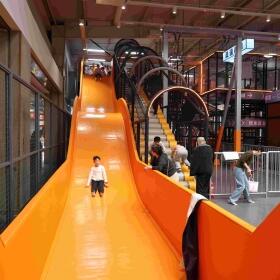
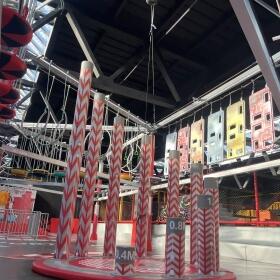
1. What Equipment Does an Indoor Trampoline Park Need?
A commercial trampoline park can combine several attractions to create a varied experience for different age groups and activity levels.
| Equipment Type | Main Purpose |
|---|---|
| Trampoline beds and interconnected jumping zones | Provide the core jumping experience |
| Dodgeball courts | Support group games and social activities |
| Basketball dunk zones | Add a skill-based attraction |
| Foam pits or airbag landing systems | Create designated landing areas when properly designed |
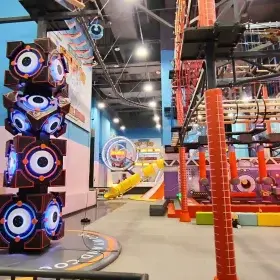
| Ninja obstacle courses | Challenge balance, coordination, and agility |
| Climbing walls | Introduce a different physical activity |
| Interactive jumping games | Add technology-based entertainment |
| Soft play areas | Serve younger children in a separate play zone |
Not every project needs every attraction. A compact trampoline venue may focus on jumping and a few supporting activities, while a larger FEC can combine trampolines, climbing, obstacle courses, and other attractions.
The layout should also account for reception, circulation, spectator areas, party rooms, and any supporting facilities included in the business plan.
2. How Much Does an Indoor Trampoline Park Cost?
There is no single price for building an indoor trampoline park. The investment depends on the project area, ceiling height, equipment mix, customization, destination country, and the scope of installation and construction.
It is important to distinguish equipment cost from total project investment.
A complete budget may include:
- Equipment manufacturing: Trampoline systems, frames, padding, obstacles, and additional attractions.
- Design and customization: Layout planning, themed finishes, and project-specific engineering.
- Shipping and installation: Freight, import duties, local labor, and installation arrangements.
- Building preparation: Flooring, electrical work, lighting, fire protection, ventilation, and other site requirements.
- Business setup: Rent deposits, staffing, insurance, marketing, ticketing systems, and working capital.
When comparing quotations, check what each supplier includes and excludes. A lower equipment price may not represent a lower overall project cost if important services or site expenses are omitted.
3. How Can Investors Evaluate Profit Potential?
Profitability depends on local demand, ticket pricing, customer traffic, operating hours, and cost control—not simply the number of trampolines installed.
Before investing, estimate monthly revenue using a realistic attendance forecast.
Estimated monthly revenue = Average daily paid visitors × Average revenue per visitor × Operating days per month
Then subtract rent, payroll, utilities, maintenance, insurance, marketing, and other operating expenses to estimate operating profit before financing, taxes, depreciation, and other applicable costs.
Additional income may come from birthday parties, group bookings, memberships, school visits, and food or beverage sales, depending on the venue’s business model.
Investors should prepare conservative, expected, and optimistic scenarios. A break-even analysis can help estimate how many paid visits are needed to cover monthly operating expenses. Avoid relying on best-case attendance figures when making investment decisions.
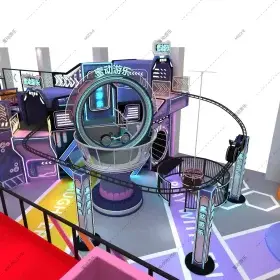
4. What Should You Check Before Buying Equipment?
A suitable venue and a well-planned equipment package should work together from the beginning.
Available floor area and ceiling height: These determine which attractions can be accommodated and how the activity zones can be arranged.
Target customers: A family-focused venue may need dedicated children’s activities, while a sports-oriented park may prioritize challenging attractions and group activities.
Safety and compliance: Ask for applicable product documentation, installation requirements, inspection procedures, and maintenance instructions. Confirm the relevant standards and local regulatory requirements for the specific equipment and destination market.
Supplier capabilities: Review manufacturing experience, customization options, project references, production arrangements, and after-sales support.
Installation responsibilities: Clarify whether installation is supplier-managed, locally contracted, or supported through technical guidance. Confirm the scope in writing before placing an order.
Routine inspections, trained supervision, clear visitor rules, and documented maintenance procedures are essential parts of long-term operation.
5. Why Consider a Customized Equipment Solution?
A customized design can help make better use of unusual floor plans, structural columns, and available ceiling height. It also allows operators to choose attractions based on their target audience rather than purchasing an unsuitable standard package.
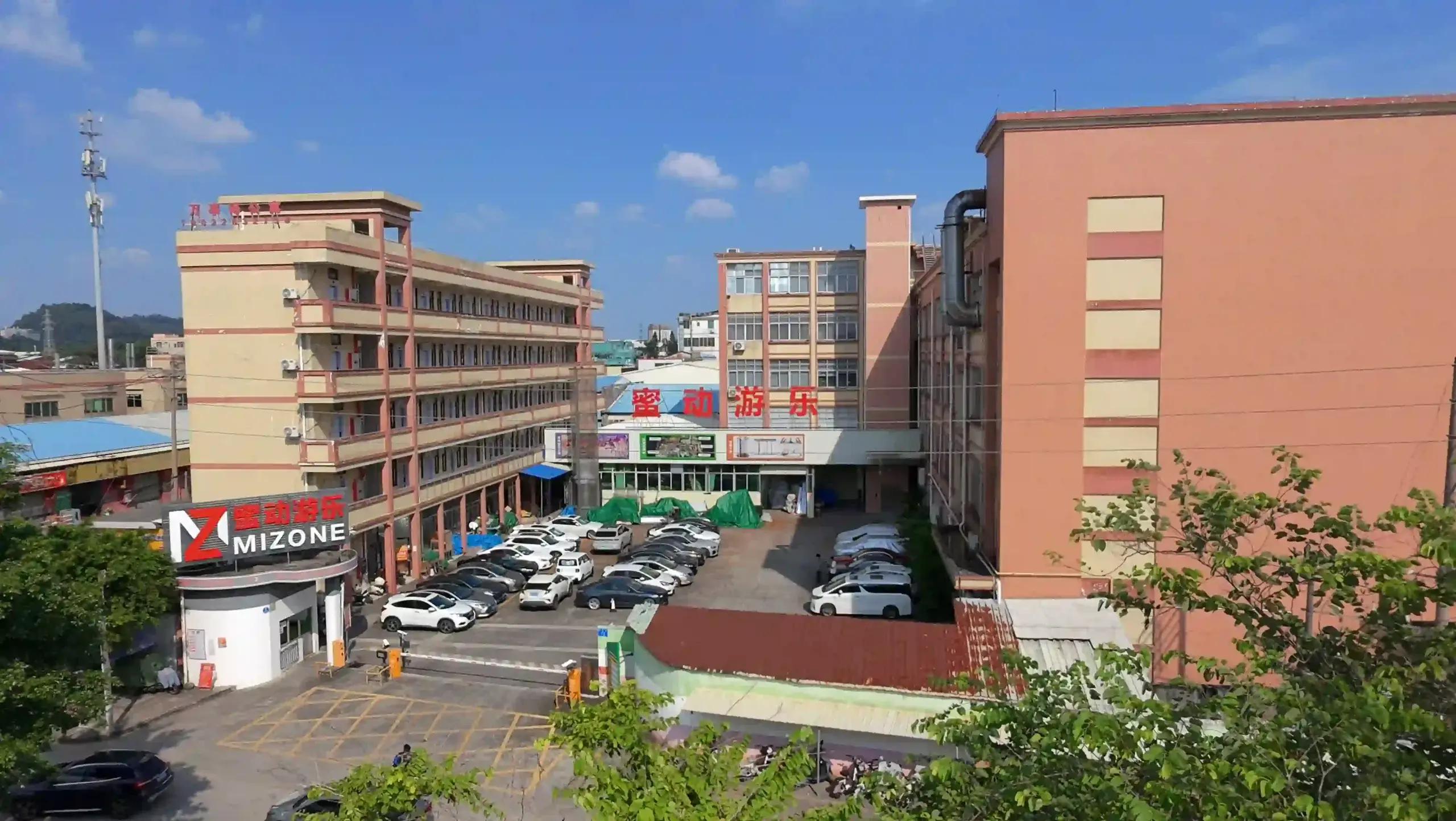
Guangdong MIZONE Industrial Co., Ltd., established in 2014, specializes in commercial trampoline parks, indoor playgrounds, and multi-attraction entertainment projects. The company reports more than 10,000 m² of manufacturing facilities and a team of over 100 design, production, engineering, and technical personnel.
Mizone provides project-related design, equipment manufacturing, customization, installation coordination, and after-sales support. Its international project portfolio includes installations in markets such as Saudi Arabia and Belgium.
For investors, the key is to request a proposal based on the actual venue, equipment requirements, and project scope—not a generic package alone.
Frequently Asked Questions
What information is needed for an equipment quotation?
Provide the project location, floor area, ceiling height, floor plan, target age groups, preferred attractions, estimated budget, and expected opening date. Site drawings and photographs can help improve the initial proposal.
Is a larger trampoline park always more profitable?
No. A larger venue may offer more attractions and revenue opportunities, but it can also require higher rent, staffing, maintenance, and initial investment. Demand and operating efficiency matter as much as size.
How can I reduce investment risk?
Validate local demand, compare itemized quotations, check site suitability, confirm safety and compliance requirements, and prepare a realistic operating budget before committing to equipment or a lease.
Plan Your Indoor Trampoline Park
Mizone can help you explore a customized equipment solution based on your venue and business objectives. Share your floor area, ceiling height, location, and preferred attractions to begin discussing your project.
WhatsApp: +86 181 4484 7485
Website: https://www.softplaypro.com/