 Indoor Playground, Trendy Sport Gym, Trampoline Park, Adventure Game Park, Climbing Park Manufacturer Supplier

Shopping malls are no longer just places to shop. Families increasingly look for destinations where children can play while parents enjoy dining, shopping, and other activities. A well-designed indoor playground can help a mall create a more family-friendly environment and offer visitors another reason to stay longer.
However, choosing the best indoor playground equipment for shopping malls requires more than selecting attractive play structures. Mall operators need to consider available space, ceiling height, target age groups, safety requirements, maintenance, and the overall customer experience.
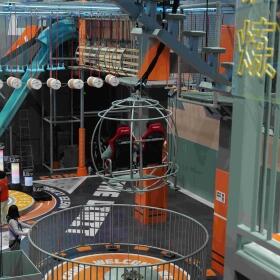
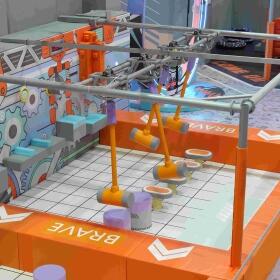
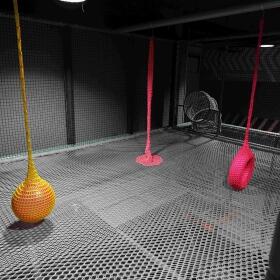
1. Soft Play Structures for Younger Children
Soft play equipment is a practical starting point for shopping malls that want to serve families with young children. Typical features include padded climbing frames, tunnels, bridges, slides, ball pits, and interactive play elements.
Modular soft play structures can be adapted to different floor plans and design themes. For example, a compact play area may focus on a small climbing structure and slide, while a larger family zone can combine multiple levels and themed activities.
When choosing soft play equipment, consider visibility, accessible entrances and exits, age-appropriate challenges, and sufficient space for children to move safely.
2. Indoor Slides and Multi-Level Play Systems
Slides and multi-level play systems can make effective use of vertical space, particularly in malls with limited floor area but suitable ceiling height.
Options include straight slides, spiral slides, tube slides, and slides integrated into climbing structures. Combining several activities within one system can provide a varied play experience without requiring separate areas for every attraction.
The layout should leave clear circulation routes and account for equipment height, safety zones, supervision, and local building requirements.
3. Climbing Walls and Obstacle Courses
For malls targeting active children and older age groups, climbing attractions and obstacle courses can introduce a more challenging experience.
Suitable options may include themed climbing walls, balance elements, crawling obstacles, and age-appropriate adventure routes. These attractions can also complement soft play, helping a venue appeal to a broader range of families.
The final configuration should reflect the intended users, available footprint, fall-protection requirements, and the operator’s supervision plan.
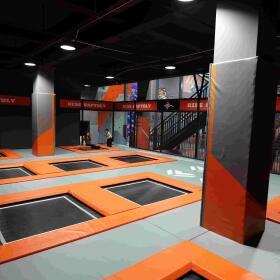
4. Trampoline Parks and Interactive Sports Attractions
Larger shopping malls may have enough space to develop a multi-activity entertainment zone rather than a traditional children’s play area.
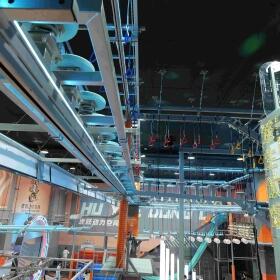
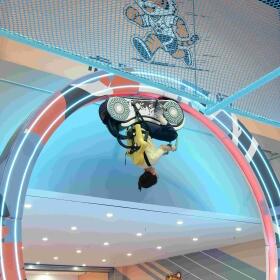
Depending on the project concept, equipment options can include trampoline attractions, interactive games, ninja-style obstacle courses, and selected sports entertainment rides. These activities can help create a more distinctive destination for children, teenagers, and families.
Not every mall needs every attraction. The best combination depends on the target audience, investment plan, operating model, and the amount of space available.
5. How to Choose the Right Equipment for Your Mall
Before requesting quotations, evaluate these five factors:
- Available space: Measure the usable floor area and identify columns, entrances, emergency exits, and other fixed obstacles.
- Ceiling height: Confirm the actual clear height before considering tall structures or aerial attractions.
- Target age groups: Decide whether the venue will primarily serve toddlers, school-age children, teenagers, or mixed-age families.
- Safety and maintenance: Review applicable local regulations, relevant equipment standards, inspection procedures, cleaning requirements, and replacement-part availability.
- Business objectives: Compare the planned equipment mix with your admission model, staffing capacity, budget, and intended visitor experience.
A detailed site plan helps prevent costly layout changes and makes supplier quotations easier to compare.
6. Why Custom Indoor Playground Design Matters
Shopping malls differ in layout, customer demographics, branding, and operational requirements. A standard equipment package may not make the best use of every location.
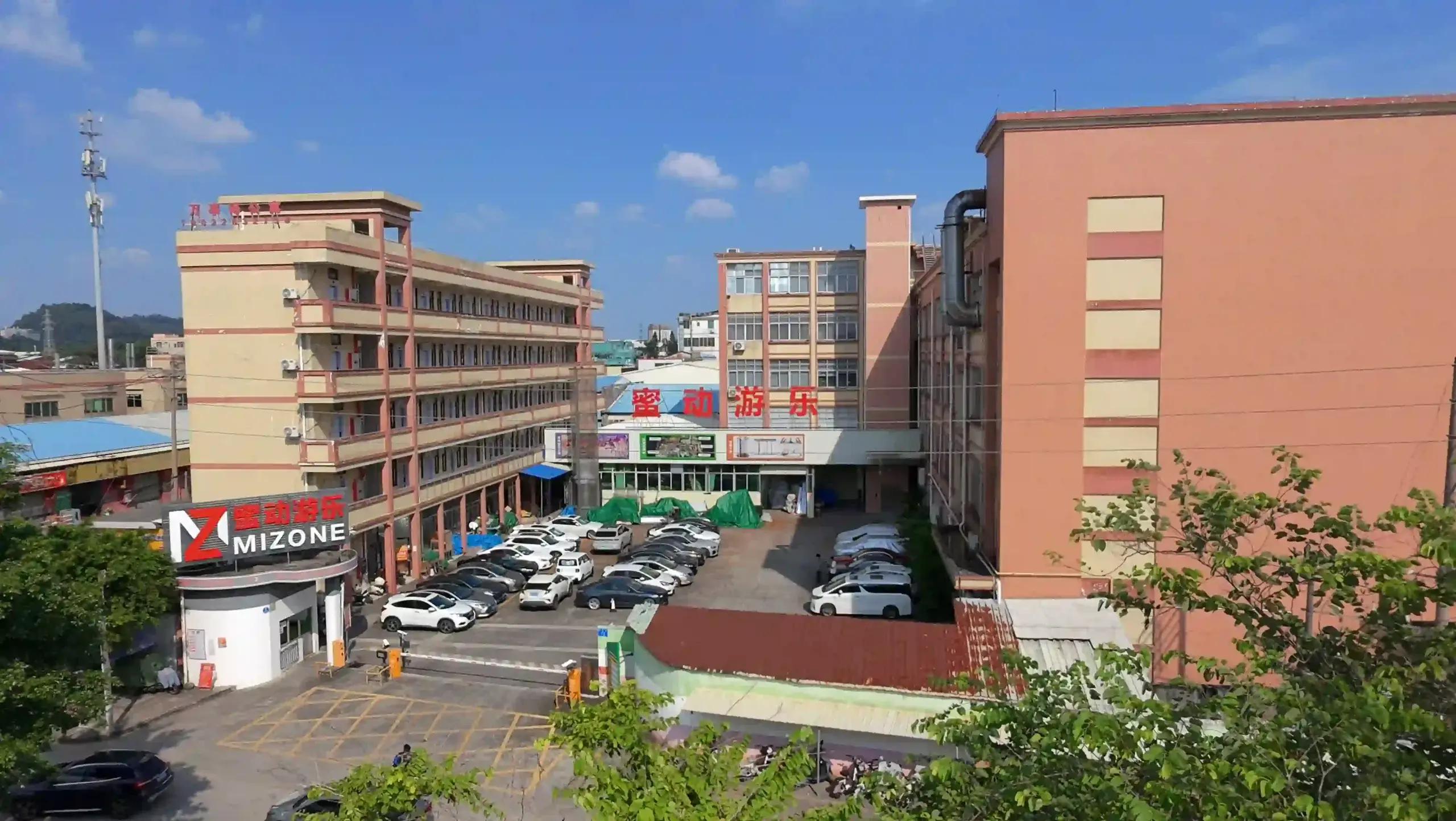
Mizone Playground, based in Guangzhou, China, provides indoor playground equipment, soft play structures, trampoline parks, climbing attractions, and sports entertainment equipment. Its project services include concept planning, layout design, equipment customization, manufacturing, and installation guidance.
The company’s project portfolio includes a 490 m² soft-play project in Belgium and a 1,600 m² trendy sports hub project in Saudi Arabia. These examples illustrate how equipment combinations can be developed around different space requirements and entertainment concepts.
For mall developers and operators, working with a manufacturer early in the planning stage can help align equipment selection, layout, theme, and project requirements before production begins.
Frequently Asked Questions About Indoor Playground Equipment for Shopping Malls
1. How much does indoor playground equipment for a shopping mall cost?
The cost depends on the playground size, equipment types, customization, shipping, and installation. Request an itemized quotation to compare equipment costs and additional project services accurately.
2. How much space is needed for an indoor playground in a shopping mall?
The required space depends on equipment selection, ceiling height, target age groups, and safety zones. Provide a floor plan and accurate measurements to help determine a suitable layout.
3. What indoor playground equipment is best for shopping malls?
Soft play structures, slides, climbing elements, and interactive games are popular options. Larger venues may also consider trampolines and obstacle courses, depending on their budget and target customers.
4. Can indoor playground equipment be customized to fit a shopping mall layout?
Yes, customized equipment can accommodate different floor plans, themes, and space constraints. Manufacturers such as Mizone offer layout design and equipment customization based on project requirements.
5. What safety standards should shopping mall playground equipment meet?
Equipment should comply with the applicable safety regulations in its installation market. Ask manufacturers for relevant certificates, test reports, and material documentation, and verify local requirements before purchasing.
6. How long does it take to manufacture and install a commercial indoor playground?
The timeline depends on customization, project size, manufacturing, shipping, and installation. Request a project-specific schedule covering design approval, production, delivery, and installation milestones.
7. How do I choose a reliable indoor playground equipment manufacturer?
Review the manufacturer’s project experience, product quality, safety documentation, customization capabilities, warranty, and after-sales support. Compare complete proposals rather than choosing based on price alone.
8. Should I buy directly from an indoor playground factory or a trading company?
Factories may offer more direct communication about manufacturing and customization. However, compare suppliers based on product quality, project coordination, documentation, and after-sales service, regardless of their business model.
Plan Your Shopping Mall Playground Project
Looking for a manufacturer of indoor playground equipment for your shopping mall? Mizone Playground can help you explore equipment combinations and customized solutions based on your project requirements.
WhatsApp: +86 181 4484 7485